 위린이
위린이
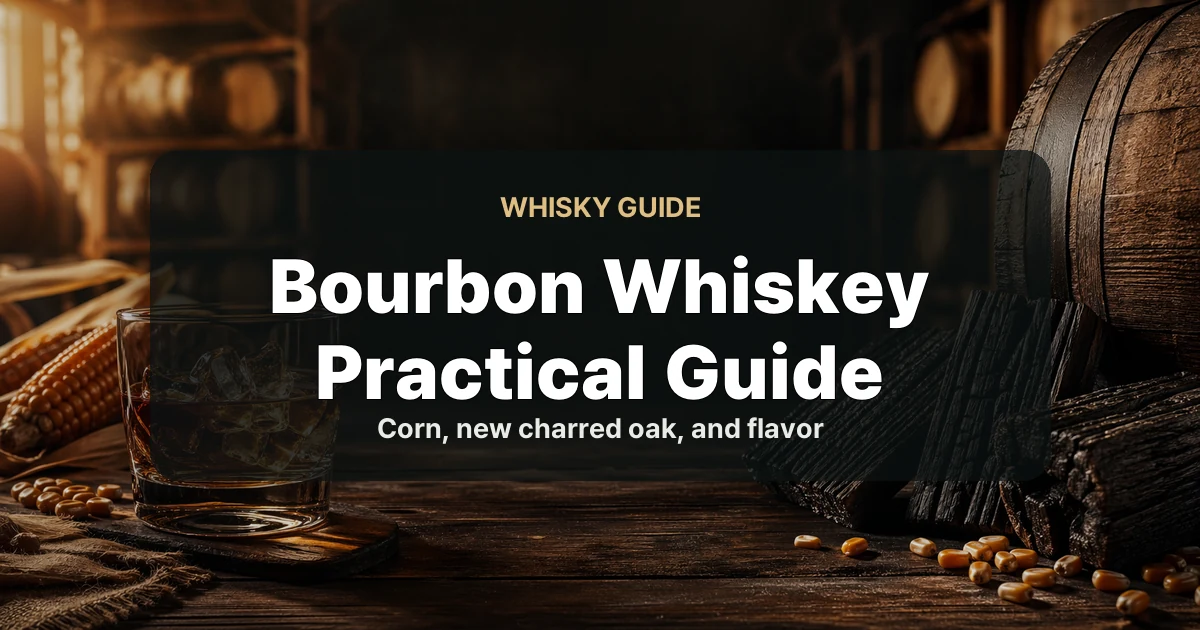
I came to bourbon out of curiosity after years of Scotch. “What’s a corn-based whisky actually like?” One sip in, the sweetness was on a completely different register. Nothing like the dried-fruit nose of a sherry cask Scotch - bourbon hit me with direct caramel and vanilla. That was the first impression.
What bourbon actually is
Bourbon is an American whiskey category with fairly strict legal requirements. The core rules:
- At least 51% corn in the mash bill
- Aged in new charred oak barrels
- Distilled at no more than 160 proof (80%)
- Entered into the barrel at no more than 125 proof (62.5%)
- Produced in the US
To call it “Straight Bourbon” it has to age at least 2 years. Under 4 years, the age has to be stated on the label. Contrary to popular belief, bourbon doesn’t have to be made in Kentucky by law - but over 95% of it actually is. The limestone-filtered water in Kentucky is low in iron and rich in calcium, which they say is ideal for distilling.
What the new charred oak does
The single biggest factor in bourbon flavor is the new charred oak barrel. Scotch gets to reuse sherry casks or ex-bourbon barrels. Bourbon has to use a brand-new barrel every time. Charring the inside with fire creates a caramelized layer on the wood, and that’s where the vanilla, caramel, and toffee notes get drawn out into the whiskey.
Kentucky’s weather does real work here. Summers hit close to 40°C, winters drop below freezing, and the swing pushes whiskey in and out of the wood repeatedly. Same spirit ages faster in Kentucky than pretty much anywhere else because of that.
The bourbon flavor profile
First thing you notice with bourbon is sweetness. Soft grain sweetness from the corn stacked with vanilla and caramel from the new oak - a totally different impression from Scotch.
Caramel / vanilla - The signature of bourbon, extracted straight from the charred oak. Almost every bourbon you’ll open has this as the foundation.
Spice - Varies with the rye percentage in the mash bill. Higher rye means more pepper and cinnamon heat. Wild Turkey Rare Breed is a good example of a high-rye kick.
Oak / tannin - Because it’s new barrels, the oak influence is much more direct than in Scotch. Longer aging means stronger tannins and woodiness. Wild Turkey 12 Year shows what extended aging does to a bourbon’s oak depth.
Fruit - Cherry, orange peel, banana - all common in bourbon. The banana note on Jack Daniel’s Single Barrel was especially striking to me.
Barrel entry proof - a hidden variable
One of the lesser-known flavor drivers in bourbon is the barrel entry proof. The legal ceiling is 125 proof (62.5%), and most distilleries go right up to that. Wild Turkey enters at 115 (57.5%). That 10-proof gap sounds small - but lower proof means more water in the barrel, which changes how the spirit interacts with the oak. Russell’s Reserve Single Barrel is where you can taste what that difference does.
Tennessee whiskey vs bourbon
Jack Daniel’s and other Tennessee whiskeys meet every bourbon requirement, plus one extra step - the “Lincoln County Process.” The spirit drips through about 3 meters of sugar maple charcoal before going into the barrel. That charcoal mellowing files off the rough edges and creates a smoother mouthfeel. Legally, it could be called bourbon. Tennessee law lets them use the separate “Tennessee whiskey” label.
Side-by-side, the difference is clear. Rare Breed or Russell’s Reserve Single Barrel hit you with unfiltered weight. Jack Daniel’s Old No. 7 leans on the smoothness from charcoal mellowing. Neither is better - they’re just different shapes of whiskey.
Where to start
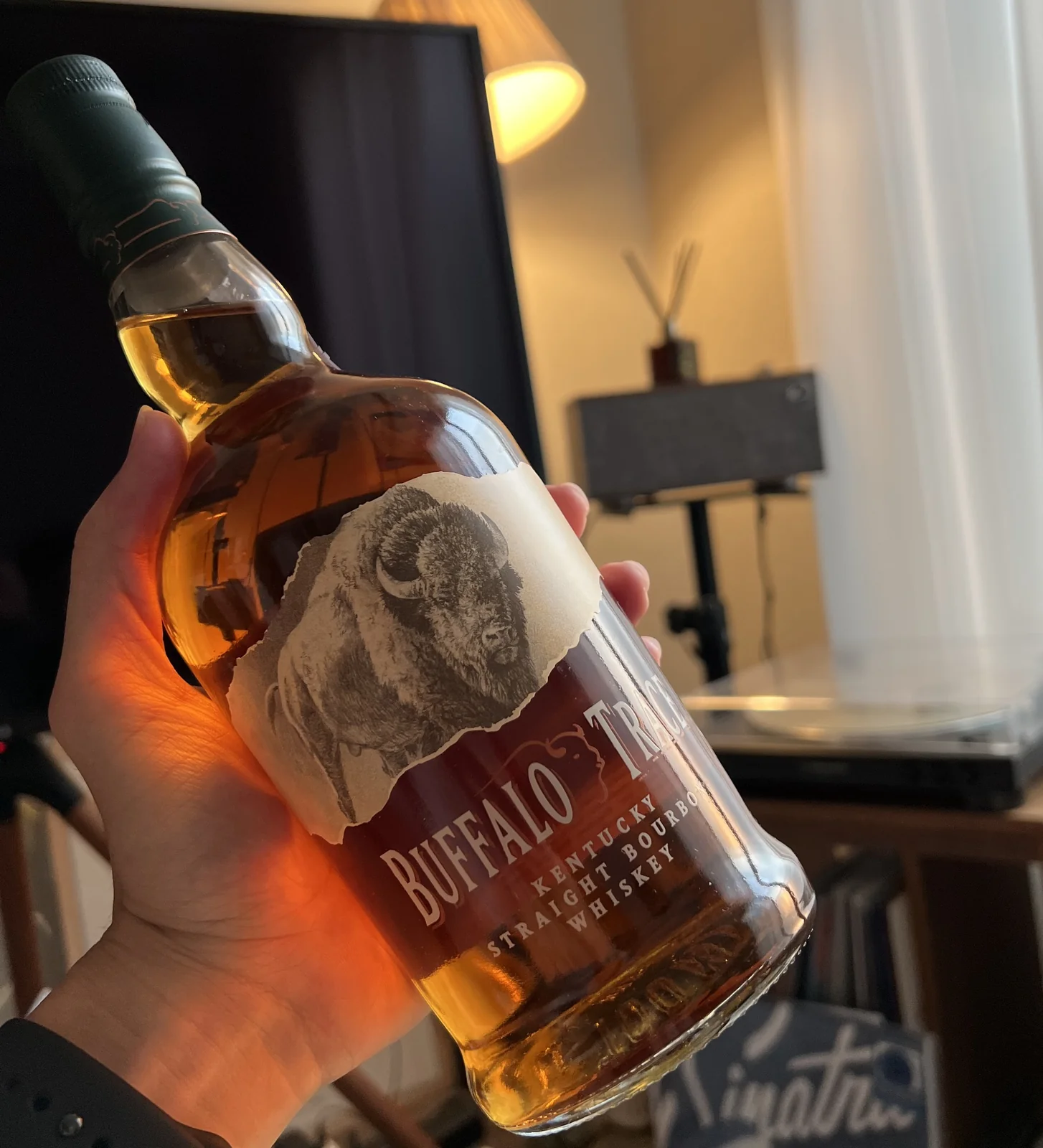
For an entry point, Buffalo Trace or Wild Turkey 101 are the safe bets. Right proof, all the core bourbon signatures - caramel, vanilla, spice - balanced enough to get a read on the category.
From there, the direction depends on taste. Want spicy and intense? Wild Turkey Rare Breed at 58.4% barrel proof. Curious about aged depth over raw proof? Wild Turkey 12 Year. Prefer a smoother texture? Something like Jack Daniel’s Old No. 7 for the Tennessee charcoal mellowing profile, or Woodford Reserve for its pot-still-blended softness. Want single barrel personality? Russell’s Reserve Single Barrel. For a heavier, pre-Prohibition-style 9-year pour, Knob Creek 9 Year is where I’d point you.
Wrapping up
Bourbon is more direct than Scotch. The sweetness from the new oak is right out front, so you don’t need to think hard about it - “this tastes good” comes immediately. Mash bill ratios and barrel entry proof are things you can dig into later. If you’ve been a Scotch-only drinker, a bourbon detour is worth it.
![[Bourbon] Knob Creek vs Russell's Single Barrel](/assets/images/posts/2026-04-26-knob-creek-9-vs-russells-reserve-single-barrel-comparison.webp)
![[Highland] Glenmorangie Infinita 18 First Pour Review](/assets/images/posts/2026-04-24-glenmorangie-the-infinita-18-years-review.webp)
![[Sherry] Macallan 12 vs GlenDronach 12 - Side by Side](/assets/images/posts/2026-04-20-macallan-12-vs-glendronach-12-sherry-comparison.webp)